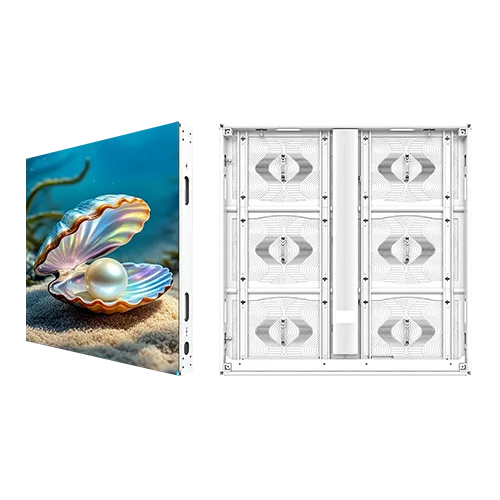
Outdoor COB LED Display
Full Flip Chip COB LED Display — P1.56 & P1.95 — IP65 Waterproof


Finding the right indoor LED display manufacturer comes down to visual quality, structural engineering, and manageable operating costs. Project managers often struggle to verify technical claims while evaluating competing factory options.
Partnering with an experienced Indoor LED Display producer protects your investment by ensuring dependable performance and long term value.Buyers frequently face module failures, poor heat dispersion, and weak post installation support.
Choosing a qualified production partner early directly impacts overall system reliability. With these challenges clear, the next step is examining the technical specs that drive screen performance.
Understanding key technical parameters helps you choose the correct screen layout for your specific venue conditions. Pixel pitch, module packaging technology, and refresh rates determine how clear and stable your content appears.
Choosing the right pixel pitch requires balancing optimal viewing distance with total budget requirements.
Packaging design influences mechanical durability, heat dissipation, and surface protection across different environments. Surface Mount Device modules represent a widely used industry choice, offering straightforward repairability and consistent color balance.
Chip on Board technology provides additional physical durability, dust resistance, and high contrast ratios for ultra fine pitch systems.
High refresh rates eliminate screen flicker during video recording or live camera feeds. Indoor environments typically require moderate brightness levels that maintain visibility while preventing eye fatigue and controlling energy use.
Advanced gray scale processing maintains full color depth even when operational brightness is dimmed.After determining your technical requirements, evaluating factory capabilities and quality management becomes the next essential phase.
A capable manufacturing partner provides full engineering support, rigorous quality testing, and comprehensive technical documentation. You should evaluate production infrastructure, engineering resources, quality standards, warranty terms, and technical service support when choosing an Indoor LED Display Manufacturer.

Reliable display manufacturers maintain strict quality control processes throughout the assembly and testing stages.
Architectural projects often require custom cabinet dimensions, curved mounting structures, or specific front access mechanics. Capable engineering teams calculate weight load limits, thermal airflow, and power routing early in project design. Flexible manufacturing processes allow smooth adjustments to accommodate unique room geometry.
| Application Venue | Recommended Pitch | Target Brightness | Primary Selection Criteria |
| Corporate Boardroom | P1.2 to P1.5 | 600 to 800 nits | High resolution, quiet operation, precise module alignment |
| Shopping Mall | P2.0 to P2.5 | 800 to 1000 nits | High contrast, impact protection, front access service |
| Broadcast Studio | P1.5 to P1.8 | 600 to 1000 nits | High refresh rate, glare reduction, true color tracking |
Maintaining visual consistency over time requires access to compatible spare parts and clear warranty coverage. Modules from separate production batches can exhibit minor color variations due to natural diode binning differences.
Trustworthy suppliers provide matching spare modules from the initial production batch along with corresponding calibration data files.
With manufacturing capabilities verified, looking at real world commercial applications clarifies how these screens perform in actual installations.
Indoor screens serve widely different commercial roles, meaning each installation site calls for specific hardware setups and mounting techniques.
Command centers and boardrooms require high resolution displays and precise module alignment for continuous data monitoring. Fine pitch panels deliver sharp text rendering and multi window content layout options without visible panel gridlines.
Shopping centers rely on large format screens to capture audience attention and display dynamic commercial content. High contrast panels maintain vivid color reproduction under ambient retail lighting.
Reviewing real world installations offers clear proof of manufacturer capabilities, as demonstrated in this Indoor Fine Pitch Case designed for a high traffic commercial environment.

Studios require displays with low latency, high color fidelity, and wide viewing angles that perform consistently under camera setups. Anti glare module surfaces prevent unwanted light reflections from surrounding studio lighting equipment.
Beyond venue selection and physical hardware installation, long term power consumption and maintenance access account for a notable portion of overall project investment.
Evaluating total project expense extends beyond the initial hardware invoice price. Power consumption, service access, and ongoing calibration noticeably impact long term ownership expenses.
Optimized power supply designs and efficient circuit layouts help control ongoing electrical operating costs.
Front service cabinet designs allow technicians to access and replace modules, power supplies, and control cards directly from the front. This structural approach eliminates the need for rear service corridors, helping optimize indoor space utilization and simplifying routine maintenance procedures.
Replacing individual modules after years of operation can reveal visual color variations as original diodes age naturally. Onsite pixel level color calibration restores screen brightness and color balance, helping maintain uniform display appearance over long operating periods.
Understanding long term operational factors prepares buyers for ongoing management, but specific technical questions often arise during final project planning.
Custom display pricing depends on pixel density, LED packaging technology, driver IC specifications, cabinet materials, and structural customization requirements.
Finer pixel pitches and specialized COB packaging increase upfront manufacturing costs due to higher diode counts and high precision assembly processes. For accurate pricing based on your specific visual and structural requirements, contact UHLED engineering team directly.
A frequent mistake is installing standard SMD modules without protective surface coatings on lower wall areas accessible to the public.
High traffic zones expose bare LEDs to potential physical contact, moisture, and static electricity, making COB technology or surface protected SMD panels a more durable option for long term reliability.
Unmanaged thermal buildup can cause premature diode brightness reduction and slight color shifts during extended operation.
Ensuring adequate ventilation and maintaining reasonable ambient temperatures around the display structure keeps internal electronics running within specified thermal ranges, supporting long term operational stability.
Selecting the right production partner requires balancing technical performance specifications, genuine factory engineering capabilities, and long term operational expenses.
Working with an experienced display manufacturer ensures high visual performance, structural safety, and dependable technical support for commercial video display projects. Contact our engineering team today to review your project specifications and receive a customized technical proposal.