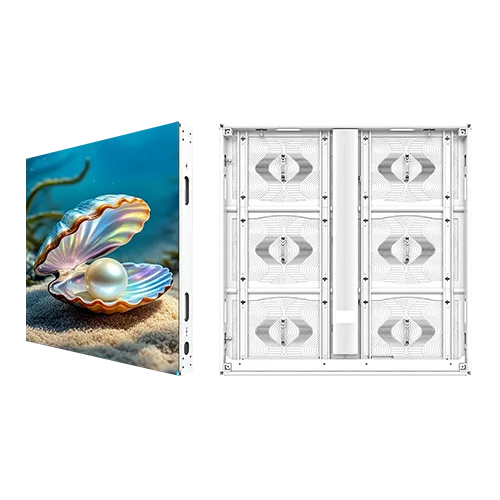
Outdoor COB LED Display
Full Flip Chip COB LED Display — P1.56 & P1.95 — IP65 Waterproof


Outdoor LED screens are expected to operate reliably despite continuous exposure to changing outdoor conditions. For long term use, the focus should not be limited to the screen’s initial specifications.
The way the display is built, installed, operated, and maintained all contributes to its service life and ongoing performance.
Understanding these factors helps buyers and operators plan a display that remains suitable for its environment and easier to maintain throughout its operating life.

The cabinet provides the main physical protection for the display’s internal components. Outdoor LED screens need suitable protection against rain, dust, and other environmental exposure.
UHLED’s outdoor LED displays are available with IP65 or IP66 protection depending on the model. The outdoor range is designed for applications where displays are exposed to conditions such as rain, snow, dust, and direct sunlight.
Heat management is another consideration for long term operation. Outdoor screens can be exposed to high ambient temperatures and direct sunlight, so the cabinet needs to support effective heat dissipation.
The aluminum cabinet series is designed with excellent heat dissipation performance. Its listed operating temperature range is −40°C to 70°C, depending on configuration.
Service life also varies between product configurations. Factors such as cabinet construction, operating temperature, brightness, and protection level should be considered together rather than evaluating a display by one specification alone.
For example, the aluminum cabinet series lists a life span of at least 100,000 hours across its listed P4 to P10 configurations.
Outdoor displays require protection against water exposure, particularly in regions with frequent rainfall or high humidity.
An appropriate IP rating helps protect the cabinet during outdoor operation. The actual protection level should always be checked against the specific product and installation requirements.
Direct sunlight creates two practical requirements: sufficient brightness for daytime visibility and suitable thermal performance.
The aluminum cabinet series provides brightness above 5500 cd/m² or 6000 cd/m² depending on pixel pitch, with an operating temperature range of −40°C to 70°C.
High humidity and coastal conditions require suitable cabinet protection and material selection.
The aluminum cabinet display is designed for outdoor environments including high humidity and coastal salt spray, with IP66 protection for front and rear surfaces.
A project in the Philippines also demonstrates the importance of matching the display to its environment. The P6.67 full aluminum display uses IP66 protection and was designed for tropical heat, heavy rain, and coastal humidity.
| Environmental Condition | Main Consideration | Potential Impact on Display |
| Heavy rain | Suitable IP protection | Helps protect internal components from water exposure |
| Strong sunlight | Adequate brightness and thermal management | Supports daytime visibility and stable operation |
| High humidity | Weather resistant cabinet construction | Helps reduce moisture related maintenance issues |
| Coastal exposure | Suitable environmental protection | Helps the display withstand demanding outdoor conditions |
| Temperature changes | Appropriate operating temperature range | Supports reliable operation across changing conditions |
Aluminum cabinet construction can be useful when weight, heat dissipation, and outdoor protection are important considerations.
The aluminum cabinet series uses a 960 × 960 × 77 mm cabinet weighing 24.5 kg. It provides IP66 protection, excellent heat dissipation, and front and rear maintenance access.
Engineering plastic provides another option for fixed outdoor installations.
The 960 × 960 mm plastic cabinet uses high strength engineering plastic and supports P4, P5, P6.67, P8, and P10 pixel pitches. It provides IP66 waterproofing and supports both front and rear maintenance.
Iron cabinets can also be used for fixed outdoor installations where a sturdy cabinet structure is required.
UHLED’s outdoor range includes an iron cabinet option for standard fixed installations. Product selection should take into account the installation structure, environmental conditions, and required maintenance method.

Regular visual inspection helps identify visible problems before they affect normal operation.
Check the screen surface, cabinet panels, exposed connections, and structural components for signs of damage or deterioration. Displays installed in harsher environments may require more frequent inspection.
The cabinet should remain in good condition so that its protective function is not compromised.
Check for damaged panels, loose connections, or visible issues around areas exposed to rain and dust. Any damage that may affect the cabinet’s protection should be addressed promptly.
Power cables, signal connections, power supplies, and related components should be checked as part of routine maintenance.
If unusual heating, loose connections, visible cable damage, or unstable screen behavior is found, the issue should be investigated by qualified personnel.
Outdoor screens can accumulate dust and dirt during normal operation. Regular cleaning helps maintain visibility and keeps the screen surface in good condition.
Cleaning should follow the manufacturer’s recommended procedures. Avoid methods that could damage LED modules, connectors, cabinet surfaces, or protective structures.
Front access is useful when the rear of the display is difficult to reach, such as with wall mounted installations or locations with limited clearance.
Rear access can be practical when there is sufficient working space behind the display. It allows technicians to reach internal components without working from the front of the screen.
Displays that support both access methods provide greater flexibility for different installation conditions.
For example, the aluminum cabinet series provides front and rear access, while the 960 × 960 mm plastic cabinet also supports front and rear maintenance.
Choosing the maintenance method during the planning stage can make future servicing more practical and help reduce unnecessary service downtime.
Maintenance should be planned according to the screen’s operating environment and usage.
A routine inspection can cover the cabinet, display surface, electrical connections, and visible structural components. Regular checks can help identify issues before they develop into larger service problems.
Maintenance requirements can change with seasonal weather and installation location.
Displays exposed to heavy rain, high humidity, strong sunlight, or coastal conditions may need closer inspection than installations in milder environments.
Visible damage, unstable connections, or changes in display performance should be investigated rather than left unresolved.
Timely servicing can help maintain stable operation and reduce the risk of unexpected interruptions. Displays with front and rear maintenance access can also make it easier for technicians to reach components when service is required, depending on the installation configuration.
Service life depends on the product configuration, operating conditions, and maintenance. The aluminum cabinet LED display listed by UHLED specifies a life span of at least 100,000 hours for its listed configurations.
This figure should not be automatically applied to every outdoor LED display because specifications vary between products.
IP65 and IP66 indicate defined levels of protection against dust and water exposure. The appropriate rating depends on the specific product and installation environment.
UHLED’s outdoor LED display range includes models with IP65 or IP66 protection.
Yes. Cabinet materials can affect factors such as weight, heat dissipation, structural characteristics, and maintenance access.
For example, the aluminum cabinet emphasizes heat dissipation and front and rear access, while the plastic cabinet also supports front and rear maintenance for fixed outdoor installations.
Outdoor LED screen lifespan depends on suitable protection, thermal performance, operating conditions, and regular maintenance. Selecting the right cabinet and planning maintenance access from the beginning can help support reliable long term operation.
For display selection based on your installation environment and maintenance requirements, contact UHLED for project consultation.